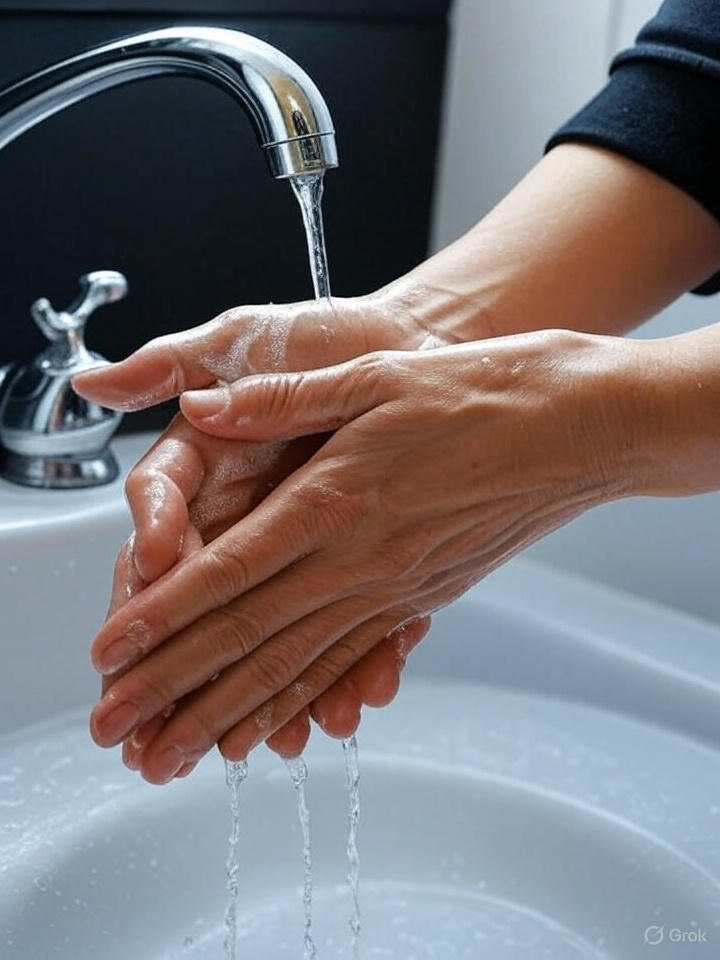
Personal hygiene forms the cornerstone of preventive healthcare, serving as our first line of defense against infectious diseases and maintaining overall well-being. In today’s interconnected world, understanding and implementing proper hygiene practices has become more critical than ever for protecting ourselves and our communities from illness.
Understanding the Chain of Infection Transmission
The chain of infection transmission represents how diseases spread from one person to another through various pathways. According to the World Health Organization, breaking this chain through targeted hygiene practices can prevent up to 80% of common infections. This chain consists of six essential links: the infectious agent, reservoir, portal of exit, mode of transmission, portal of entry, and susceptible host.
Understanding this process helps us implement more effective hygiene strategies. When we practice proper handwashing with soap, maintain respiratory hygiene, or follow cough etiquette, we’re actively disrupting multiple links in this transmission chain.
Hand Washing with Soap: Your Most Powerful Defense
The Science Behind Proper Hand Hygiene
Hand washing with soap remains the single most effective method for preventing disease transmission. Research published in medical journals demonstrates that proper handwashing can reduce respiratory infections by 16-21% and gastrointestinal illnesses by 23-40%.
When Should I Wash My Hands?
Critical moments for handwashing include:
- Before and after preparing food
- Before eating meals or snacks
- After using the restroom or changing diapers
- After coughing, sneezing, or blowing your nose
- After touching animals or handling pet waste
- Before and after caring for someone who is sick
- After touching garbage or contaminated surfaces
How to Wash Hands Properly: The Complete Technique
The proper handwashing technique involves more than a quick rinse. Follow these detailed steps:
- Wet your hands with clean, running water (warm or cold)
- Apply soap and lather thoroughly
- Scrub all surfaces including backs of hands, between fingers, and under nails for at least 20 seconds
- Rinse thoroughly under clean, running water
- Dry with a clean towel or air dry
The entire process should take 40-60 seconds to ensure maximum effectiveness against bacteria and viruses.
Body Hygiene: Preventing Infections Through Daily Care
Preventing Body Odour Through Strategic Hygiene
Body odor results from bacterial breakdown of sweat and skin cells. Effective prevention involves regular cleansing, particularly of areas prone to bacterial growth such as underarms, feet, and groin regions. Daily showering with antibacterial soap helps maintain the skin’s natural balance while preventing odor-causing bacterial overgrowth.
Washing Your Genitals: Essential Health Practices
Proper genital hygiene prevents urinary tract infections, yeast infections, and other bacterial complications. Use mild, unscented soap and warm water, cleaning from front to back to prevent bacterial transfer. Avoid harsh chemicals or douching, which can disrupt natural bacterial balance.
Preventing Staph Infection Through Hygiene
Staphylococcus infections can cause serious health complications, but proper hygiene significantly reduces risk. Key prevention strategies include:
- Keeping cuts and scrapes clean and covered
- Avoiding sharing personal items like razors or towels
- Regular hand washing, especially after gym visits
- Showering immediately after physical activities
- Maintaining clean clothing and bedding
Targeted Hygiene for Specific Body Areas
Washing Hair in Children: Building Lifelong Habits
Children’s scalp hygiene requires special attention due to their active lifestyles and developing immune systems. Regular hair washing (2-3 times weekly for most children) prevents scalp infections and removes dirt, oil, and environmental pollutants.
Use gentle, child-formulated shampoos and teach proper technique early. Make the process enjoyable through games or songs to establish positive associations with hygiene routines.
Head Lice Prevention: Proactive Strategies
Head lice infestations affect millions of children annually. Prevention focuses on:
- Avoiding head-to-head contact during play
- Not sharing hats, combs, or hair accessories
- Regular hair inspections, especially during school outbreaks
- Teaching children about prevention without creating anxiety
If infestation occurs, prompt treatment with appropriate medications and thorough cleaning of personal items prevents spread.
Food Safety and Hygiene: Kitchen Protection Protocols
Hygiene in the Kitchen: Preventing Foodborne Illness
Kitchen hygiene prevents foodborne illnesses that affect millions globally each year. According to Forbes Health, proper food handling can prevent 90% of food poisoning cases.
Essential kitchen hygiene practices include:
- Washing hands before and during food preparation
- Cleaning and sanitizing surfaces after each use
- Separating raw and cooked foods
- Storing foods at proper temperatures
- Regular cleaning of kitchen appliances and utensils
Safe Food Handling Techniques
Temperature control plays a crucial role in food safety. Keep hot foods hot (above 140°F) and cold foods cold (below 40°F). Use separate cutting boards for raw meats and vegetables to prevent cross-contamination.
Home Hygiene: Creating a Healthy Living Environment
Laundry Hygiene at Home: More Than Clean Clothes
Proper laundry hygiene eliminates pathogens that can cause skin infections and respiratory issues. Hot water washing (at least 160°F) effectively kills most bacteria and viruses. For delicate items, use appropriate disinfectants or extended drying times.
Pay special attention to items that contact skin directly: underwear, socks, towels, and bedding require frequent washing and complete drying to prevent bacterial growth.
Environmental Cleanliness Standards
Regular cleaning of high-touch surfaces reduces infection transmission within households. Focus on doorknobs, light switches, remote controls, and bathroom fixtures. Use EPA-approved disinfectants and allow proper contact time for maximum effectiveness.
Respiratory Hygiene and Cough Etiquette
Preventing Airborne Disease Transmission
Respiratory hygiene protects both personal and community health. Proper cough etiquette involves:
- Covering coughs and sneezes with tissues or elbow
- Disposing of tissues immediately
- Washing hands after coughing or sneezing
- Maintaining distance from others when ill
- Wearing masks during illness or high-transmission periods
These practices significantly reduce the spread of respiratory infections, including common colds, flu, and other airborne diseases.
Menstrual Hygiene Management: Health and Dignity
Period Hygiene: Essential Health Practices
Proper menstrual hygiene prevents infections and maintains reproductive health. Key practices include:
- Changing sanitary products every 4-6 hours
- Using clean hands when handling menstrual products
- Proper disposal of used products
- Regular bathing during menstruation
- Choosing appropriate products for individual needs
Access to proper menstrual hygiene facilities and education remains a global health priority, affecting millions of women and girls worldwide.
Special Considerations for Vulnerable Populations
Safe Disposal of Child Faeces: Preventing Disease Spread
Proper disposal of infant and child waste prevents numerous infectious diseases. Always wash hands thoroughly after changing diapers, use disposable gloves when possible, and ensure proper waste disposal systems.
In developing regions, safe sanitation practices prevent diseases like cholera, dysentery, and hepatitis A, which disproportionately affect children under five years old.
Toileting Hygiene: Fundamental Health Practices
Proper toileting hygiene includes thorough handwashing after bathroom use, wiping from front to back (especially for women), and maintaining clean bathroom facilities. These practices prevent urinary tract infections, gastrointestinal diseases, and other bacterial infections.
The Connection Between Hygiene and Mental Health
Psychological Benefits of Good Hygiene
Personal hygiene significantly impacts mental health and social well-being. According to research cited by Wikipedia, poor hygiene can lead to social isolation, reduced self-esteem, and increased anxiety levels.
Regular hygiene routines provide structure and self-care opportunities that support mental health. The act of caring for one’s body demonstrates self-respect and can improve mood and confidence levels.
Building Sustainable Hygiene Habits
Successful hygiene routines require consistency and gradual implementation. Start with fundamental practices like regular handwashing and daily bathing, then gradually incorporate more specific practices based on individual needs and risk factors.
Preventing Abscess Through Hygiene: Skin Health Protection
Skin abscesses result from bacterial infections that penetrate broken skin barriers. Prevention strategies include:
- Keeping minor cuts and scrapes clean and covered
- Avoiding sharing personal grooming items
- Maintaining overall skin health through regular cleansing
- Seeking prompt treatment for persistent skin issues
Early intervention and proper wound care prevent minor skin breaks from developing into serious infections requiring medical treatment.
Advanced Hygiene Strategies for Modern Living
Technology and Hygiene Enhancement
Modern technology offers new tools for maintaining hygiene standards. Antimicrobial surfaces, UV sanitizing devices, and smart hygiene monitoring systems provide additional layers of protection in homes, schools, and workplaces.
However, these technologies supplement rather than replace fundamental hygiene practices like handwashing and regular cleaning.
Community Hygiene Responsibility
Individual hygiene practices contribute to broader community health outcomes. When everyone maintains high hygiene standards, entire communities benefit from reduced disease transmission and improved overall health indicators.
This collective responsibility becomes especially important during disease outbreaks or in densely populated areas where transmission risks increase significantly.
Conclusion: Building a Comprehensive Hygiene Foundation
Effective hygiene practices represent one of the most cost-effective and accessible methods for disease prevention and health promotion. By understanding the chain of infection transmission and implementing targeted hygiene strategies, individuals can significantly reduce their risk of illness while contributing to community health.
The practices outlined in this guide—from proper handwashing with soap to maintaining respiratory hygiene—form an integrated approach to preventive healthcare. When combined with other wellness strategies covered in our comprehensive guide to health and wellness, these hygiene practices create a strong foundation for lifelong health and well-being.
Remember that hygiene is not just about cleanliness; it’s about creating barriers against disease, maintaining dignity, and supporting both physical and mental health. By making these practices part of daily routines, we invest in our long-term health while protecting those around us.
Start implementing these evidence-based hygiene practices today, and experience the profound impact that proper hygiene can have on your overall quality of life and well-being.
Leave a Reply